The Ultimate Furniture Guide:
Your Complete Resource for Buying, Styling & Saving in 2025
Furnishing your home is one of the most significant investments you’ll make, and the choices you make today will shape your living spaces for years to come. Whether you’re moving into a new apartment, renovating your family home, or simply refreshing a tired room, this comprehensive furniture guide will help you navigate every aspect of the furniture buying process with confidence.
From understanding quality materials to mastering the art of timing your purchases for maximum savings, we’ve compiled expert insights, industry trends, and practical tips to ensure you invest wisely in pieces that combine style, comfort, and lasting value.
Planning Your Furniture Purchase: The Essential First Steps
Before you start browsing showrooms or scrolling through online catalogs, taking time to plan will save you from costly mistakes and buyer’s remorse. Strategic planning ensures every piece you choose serves both your immediate needs and long-term lifestyle.
Assess Your Space and Needs
The foundation of successful furniture shopping begins with a thorough assessment of your living space. Walk through each room and take note of what you already have, what needs replacing, and what new furnishings would enhance your daily life. Consider how each room functions—a family room used for movie nights has different requirements than a formal living room for entertaining guests.
Key Questions to Ask Yourself:
- How do you use each room on a daily basis?
- Do you frequently host guests or prefer intimate gatherings?
- Are there children or pets who will use the furniture?
- What’s your lifestyle—formal, casual, or somewhere in between?
- How long do you expect to stay in your current home?
Measure Everything—Twice
One of the most common furniture shopping mistakes is purchasing pieces that don’t fit properly in your space. Before visiting any store, measure your rooms thoroughly, including doorways, hallways, and stairwells through which furniture must pass during delivery. Record the dimensions of existing furniture and note how much space remains for new additions.
Pro Tip: Use painter’s tape on your floor to visualize how much space different furniture sizes will occupy. Many shoppers also find floor planning software or furniture apps helpful for creating digital mockups of their rooms before committing to purchases.
Set a Realistic Budget
Establishing a budget before you start shopping helps narrow your options and prevents overspending. Remember that furniture is an investment—cheaper pieces may cost less upfront but often need replacing sooner, while quality furniture can last for decades. Consider your overall budget, then prioritize which pieces deserve more investment based on usage frequency and importance to your daily comfort.
Understanding Furniture Quality: What Separates Good from Great
Recognizing quality furniture is essential for making purchases that will stand the test of time. Whether you’re examining a sofa, dining table, or bedroom set, understanding construction methods and materials will help you distinguish lasting value from temporary appeal.
Wood Furniture: The Foundation of Quality
Wood remains the most popular material for furniture due to its natural beauty, durability, and timeless appeal. However, not all wood furniture is created equal. Understanding the differences between wood types and construction methods is crucial for making informed purchasing decisions.
Hardwoods vs. Softwoods
Hardwoods like oak, maple, walnut, cherry, and teak are the gold standard for furniture construction. These dense woods resist dents, scratches, and wear, making them ideal for high-traffic pieces like dining tables and bedroom furniture. Each hardwood offers unique characteristics—oak features prominent grain patterns, walnut provides rich dark tones, and cherry develops a beautiful patina over time.
Softwoods like pine and cedar are less expensive but more susceptible to damage. While pine works well for casual, rustic pieces, it may not withstand heavy daily use. Cedar’s natural resistance to moisture and insects makes it better suited for outdoor furniture or closet construction rather than living room centerpieces.
Signs of Quality Wood Furniture
- Weight and Solidity: Genuine solid wood furniture feels substantially heavier than pieces made from engineered materials or veneers.
- Grain Patterns: Look for natural variations in grain that indicate real wood rather than printed patterns.
- Construction Joints: Quality furniture uses dovetail, mortise and tenon, or dowel joints rather than staples or glue alone.
- Smooth Finishes: Well-applied finishes are even, free from bubbles or rough patches, and protect the wood while enhancing its natural beauty.
- Sound Test: Knock on the wood—solid pieces produce a dense, solid sound rather than hollow or plastic-like tones.
Upholstered Furniture: Comfort Meets Durability
When shopping for sofas, armchairs, and other upholstered pieces, quality involves multiple layers: the frame, cushioning, and fabric all contribute to longevity and comfort.
Frame Construction
The best upholstered furniture features frames made from kiln-dried hardwood like oak, maple, or ash. Kiln drying removes moisture that could cause warping over time. Look for frames reinforced with corner blocks, dowels, or brackets at stress points. Avoid frames made from softwoods, particleboard, or plastic, which lack the durability for heavy daily use.
Cushion Quality
High-density foam cushions provide the best combination of comfort and durability, maintaining their shape through years of use. Down-filled cushions offer luxurious comfort but require regular fluffing. Many quality manufacturers use a combination—foam cores wrapped in down or fiberfill for optimal support and softness.
Fabric Selection
Upholstery fabric significantly impacts both appearance and durability. Natural fibers like cotton, linen, and wool offer breathability and comfort, while synthetic materials like polyester and nylon provide stain resistance and durability. Leather develops character over time and suits high-traffic areas, though it requires conditioning in dry climates.
Rub Count Matters: A fabric’s rub count measures its resistance to abrasion. For everyday use, look for fabrics with rub counts above 15,000; heavy-use pieces benefit from counts of 25,000 or higher.
Quick Quality Comparison Guide
|
Feature |
Budget Quality |
Premium Quality |
|
Wood Type |
Pine, particleboard, MDF |
Oak, walnut, maple, teak |
|
Joinery |
Staples, glue, screws |
Dovetail, mortise & tenon |
|
Upholstery Frame |
Softwood, plastic components |
Kiln-dried hardwood |
|
Cushions |
Low-density foam |
High-density foam, down blend |
|
Expected Lifespan |
3-5 years |
15-25+ years |
Furniture Trends 2025: What’s Shaping Modern Interiors
The furniture landscape in 2025 reflects a harmonious blend of sustainability, comfort, and personal expression. Understanding current trends helps you make choices that feel both contemporary and timeless.
Curved and Organic Silhouettes
Moving away from rigid, angular designs, 2025 embraces soft, rounded furniture that creates warmth and promotes relaxation. Curved sofas, arched armchairs, and sculptural coffee tables with flowing edges transform living spaces into inviting retreats. These organic shapes soften visual landscapes while promoting a sense of tranquility and flow.
Natural Materials and Sustainability
Eco-conscious design continues gaining momentum, with consumers prioritizing furniture made from sustainable and natural materials. Look for pieces crafted from FSC-certified woods, reclaimed timber, bamboo, and natural textiles like organic cotton, wool, and Belgian linen. These materials offer authentic aesthetics while minimizing environmental impact.
Warm, Earthy Color Palettes
The cool grays that dominated the 2010s have given way to warmer, more grounding tones. Expect to see rich browns, forest greens, terracotta, and soft beiges alongside bold accent colors like deep jewel tones—emerald, sapphire, and burgundy. Pantone’s 2025 Color of the Year, Mocha Mousse, exemplifies this shift toward comforting warmth.
Multi-Functional and Modular Design
As living spaces become more compact, furniture that adapts to multiple purposes has become essential. Storage ottomans, extendable dining tables, modular sectional sofas, and convertible desks help maximize functionality without sacrificing style. These smart solutions address the growing need for flexibility in modern homes.
Vintage and Mid-Century Modern Revival
Nostalgia meets modern sensibility as vintage-inspired pieces make a strong comeback. Mid-century modern furniture with clean lines, wooden legs, and functional beauty remains popular, now enhanced with contemporary materials and fresh color palettes. Mixing vintage finds with modern pieces creates spaces with character and depth.
Best Times to Buy Furniture: Maximize Your Savings
Timing your furniture purchases strategically can save you hundreds or even thousands of dollars. Understanding retail cycles and seasonal sales helps you get the best value for your investment.
Key Sale Periods Throughout the Year
January & February
Post-holiday clearances and Presidents’ Day weekend offer excellent opportunities for indoor furniture. Retailers clear winter inventory with discounts often reaching 30-60% on living room sets and bedroom furniture.
April & May
Spring brings new collection launches, with last season’s items going on sale. Major online events like Wayfair’s Way Day offer discounts up to 80% on furniture and home décor. Memorial Day weekend marks the start of significant savings on patio and outdoor furniture.
July & August
Independence Day sales target mattresses and bedroom furniture. Late summer clearances prepare for fall inventory, making August ideal for scoring deals on living room pieces.
November & December
Black Friday and Cyber Monday remain the biggest shopping events for virtually all furniture categories, with discounts of 50-75% on select items. Year-end clearances after Christmas offer additional opportunities to grab floor models and discontinued styles at rock-bottom prices.
Expert Money-Saving Tips
- Ask About Upcoming Sales: In-store associates often know about promotions before they’re advertised. Ask if waiting a week might save you money.
- Consider Floor Models: Display pieces sell at significant discounts, especially during inventory transitions. Inspect carefully and negotiate for any imperfections.
- Request Promotional Codes: When shopping online, use chat features to ask customer service for available discount codes.
- Negotiate Bundle Deals: Purchasing multiple pieces together often provides leverage for additional discounts of 10-20%.
- Sign Up for Alerts: Subscribe to retailer newsletters and follow them on social media for exclusive deals and early sale access.
Room-by-Room Furniture Guide
Living Room Essentials
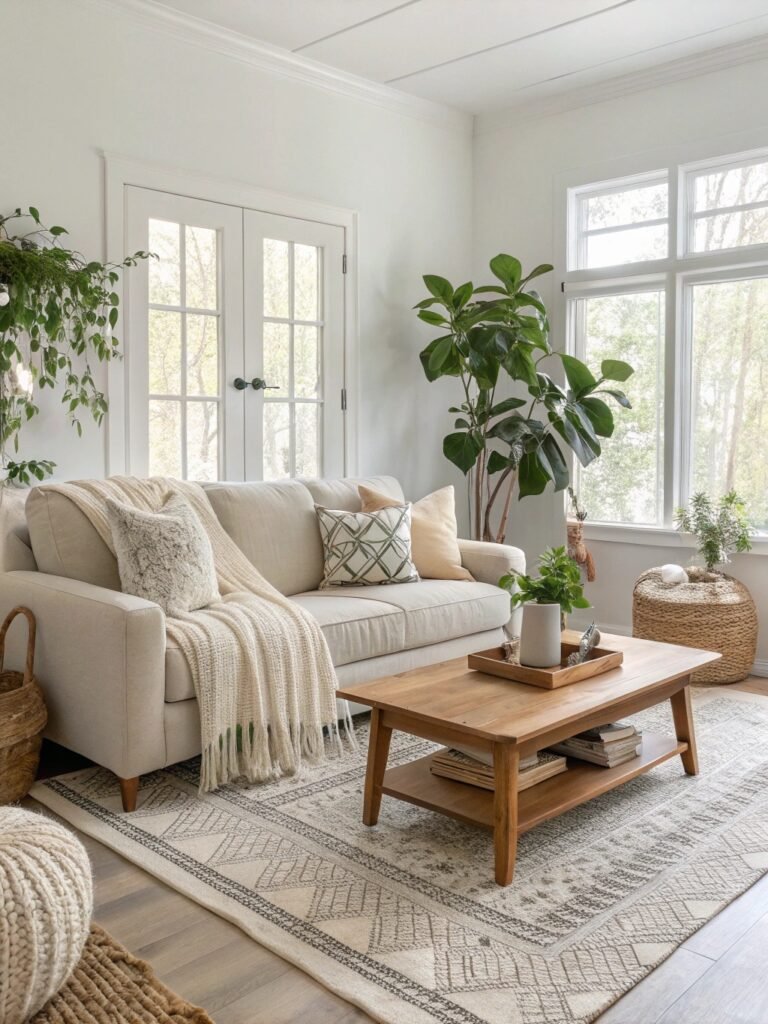
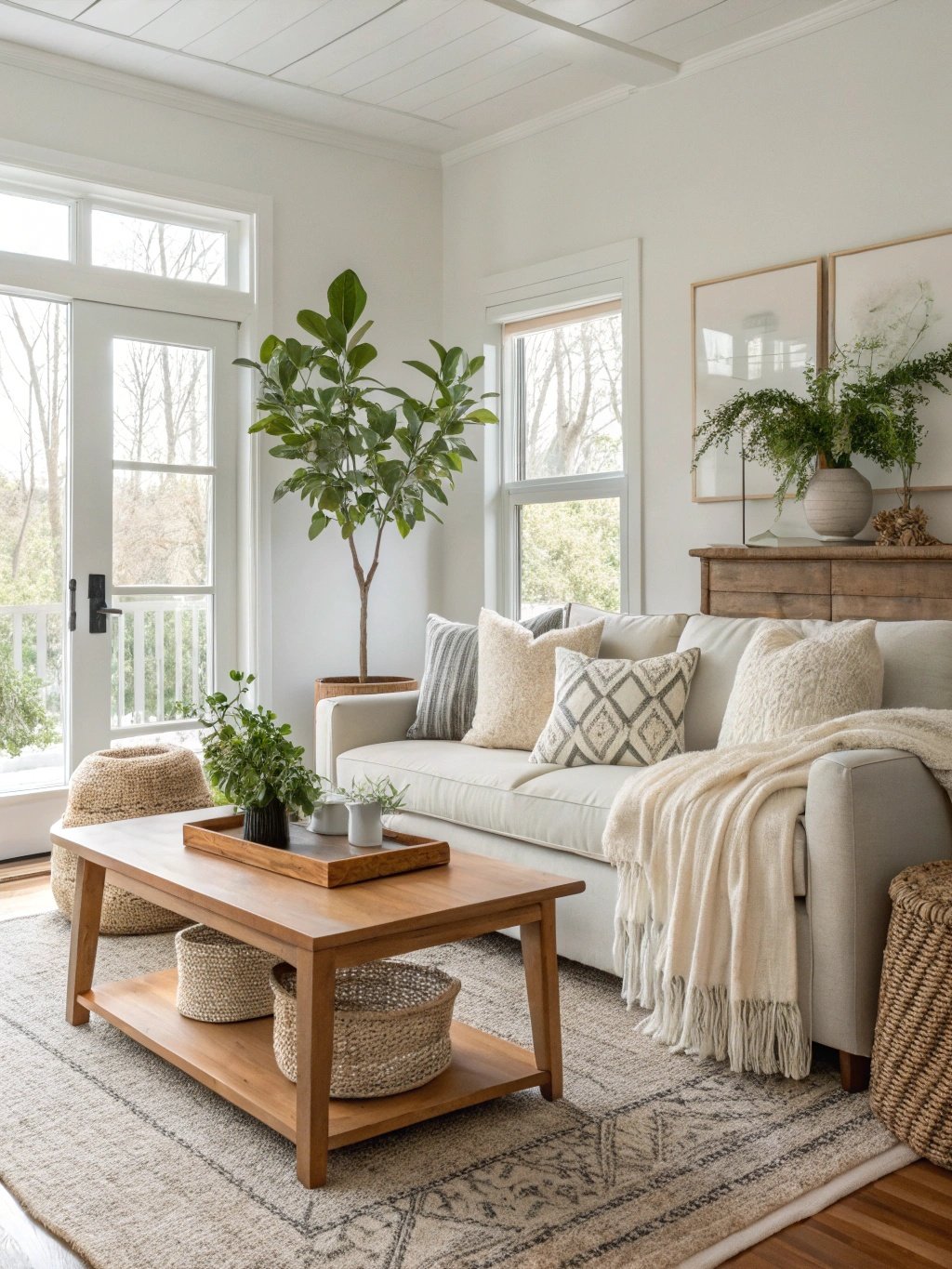
The living room serves as the heart of most homes, requiring furniture that balances comfort, style, and functionality. Start with a quality sofa as your anchor piece—this is where investment truly matters. Consider the room’s size and layout when choosing between standard sofas, sectionals, or loveseats.
- Sofa: Choose based on room size; sectionals work well for open floor plans, while loveseats suit smaller spaces.
- Coffee Table: Select a height that complements your seating (typically 16-18 inches) with a surface that suits your lifestyle.
- Accent Chairs: Add visual interest and extra seating with chairs that complement rather than match your sofa.
- Media Console: Choose one that accommodates your electronics while providing adequate storage and cord management.
Dining Room Considerations
Dining furniture should accommodate your typical gatherings while fitting comfortably in your space. Allow at least 36 inches of clearance around the table for comfortable movement. Extendable tables offer flexibility for both intimate dinners and larger celebrations.
- Table Size: Allow 24 inches of table width per person for comfortable dining.
- Chair Comfort: Test chairs for comfort during extended sitting—dinner parties can last hours.
- Storage Options: Buffets and sideboards provide valuable storage for linens, serveware, and dining essentials.
Bedroom Priorities
Your bedroom is your personal retreat, and furniture choices should prioritize comfort and relaxation. Invest significantly in your mattress and bed frame—you spend approximately one-third of your life sleeping, making these among your most important furniture purchases.
- Bed Frame: Choose a sturdy frame that supports your mattress properly and suits your room’s aesthetic.
- Nightstands: Position at mattress height for convenient access; consider storage needs for books, devices, and essentials.
- Dresser/Chest: Ensure adequate drawer space for your wardrobe; solid construction prevents sagging drawers over time.
Online vs. In-Store: Making the Right Choice
Both online and in-store furniture shopping offer distinct advantages. Understanding when each approach works best helps you shop more effectively.
When to Shop In-Store
- Testing comfort-critical pieces like sofas, mattresses, and dining chairs
- Evaluating true colors and textures of fabrics and finishes
- Assessing build quality through hands-on inspection
- When you need furniture quickly and want to avoid shipping delays
When Online Shopping Works Well
- Purchasing from trusted brands you’ve experienced before
- Shopping for shelving, desks, or accent pieces where comfort testing isn’t critical
- Comparing prices across multiple retailers efficiently
- Finding specialty or unique pieces not available locally
Sustainable Furniture: Making Eco-Conscious Choices
Sustainable furniture choices benefit both your home and the planet. Look for these markers of environmentally responsible manufacturing:
- FSC Certification: Forest Stewardship Council certification ensures wood is sourced from responsibly managed forests.
- Reclaimed Materials: Furniture made from reclaimed wood reduces demand for new lumber while adding unique character.
- Low-VOC Finishes: Volatile organic compound-free finishes improve indoor air quality and reduce environmental impact.
- Natural Fibers: Organic cotton, wool, and linen upholstery options avoid petroleum-based synthetics.
- Quality Over Quantity: Investing in durable, long-lasting pieces reduces the environmental cost of frequent replacements.
Final Thoughts: Creating Your Perfect Space
Furnishing your home is a journey that combines practical considerations with personal expression. By understanding quality indicators, timing your purchases strategically, and choosing pieces that align with both your lifestyle and design preferences, you can create spaces that truly feel like home.
Remember that the best furniture serves you well for years to come. Whether you’re drawn to trending curved silhouettes or classic mid-century modern lines, prioritize quality construction and materials that will maintain their beauty and functionality through daily use.
Take your time, measure twice, and trust your instincts. The perfect piece is worth waiting for, and with the knowledge from this guide, you’re equipped to make confident decisions that transform your house into a comfortable, stylish home.
Ready to start furnishing your dream home?
Use this guide as your reference throughout your furniture shopping journey. Bookmark it, share it with friends, and return whenever you need expert advice on making your next furniture investment.